
If you have been asking, how many branding photos do I need, you are probably hoping for a nice, simple number. I understand the appeal. It would be lovely if every business could choose one tidy package, take the same list of photos, and be set for the year.
The more useful answer is that you need enough photographs to cover the actual jobs your images have to do. A consultant with one service and a simple website may need a focused set of portraits and working images. A business owner preparing a new website, several offers, a speaking page, and months of social content will need much more variety. Neither person is doing it wrong. They are solving different marketing problems.
Instead of starting with a number, start with where the photographs will live, what they need to communicate, and how often you plan to use them. Once those pieces are clear, the right-sized image library becomes much easier to see.

How Many Branding Photos Do I Need? Start With Their Jobs
Before a branding session, make a list of every place where your business currently needs a photograph. Then add the places you expect to use images during the next several months. You are not planning content down to the last caption. You are simply giving each image a purpose before we photograph it.
Your list might include:
A homepage banner that quickly introduces you and the feeling of your business
An About page portrait that feels personal and welcoming
Individual service pages that need their own supporting images
A contact page or call-to-action section
LinkedIn and other professional profile photographs
Email newsletters, welcome sequences, and launch emails
Social posts, Stories, Reel covers, and carousel graphics
Speaker biographies, podcast guest materials, and press requests
A lead magnet, presentation, workbook, or client guide
Behind-the-scenes photographs that show how you work
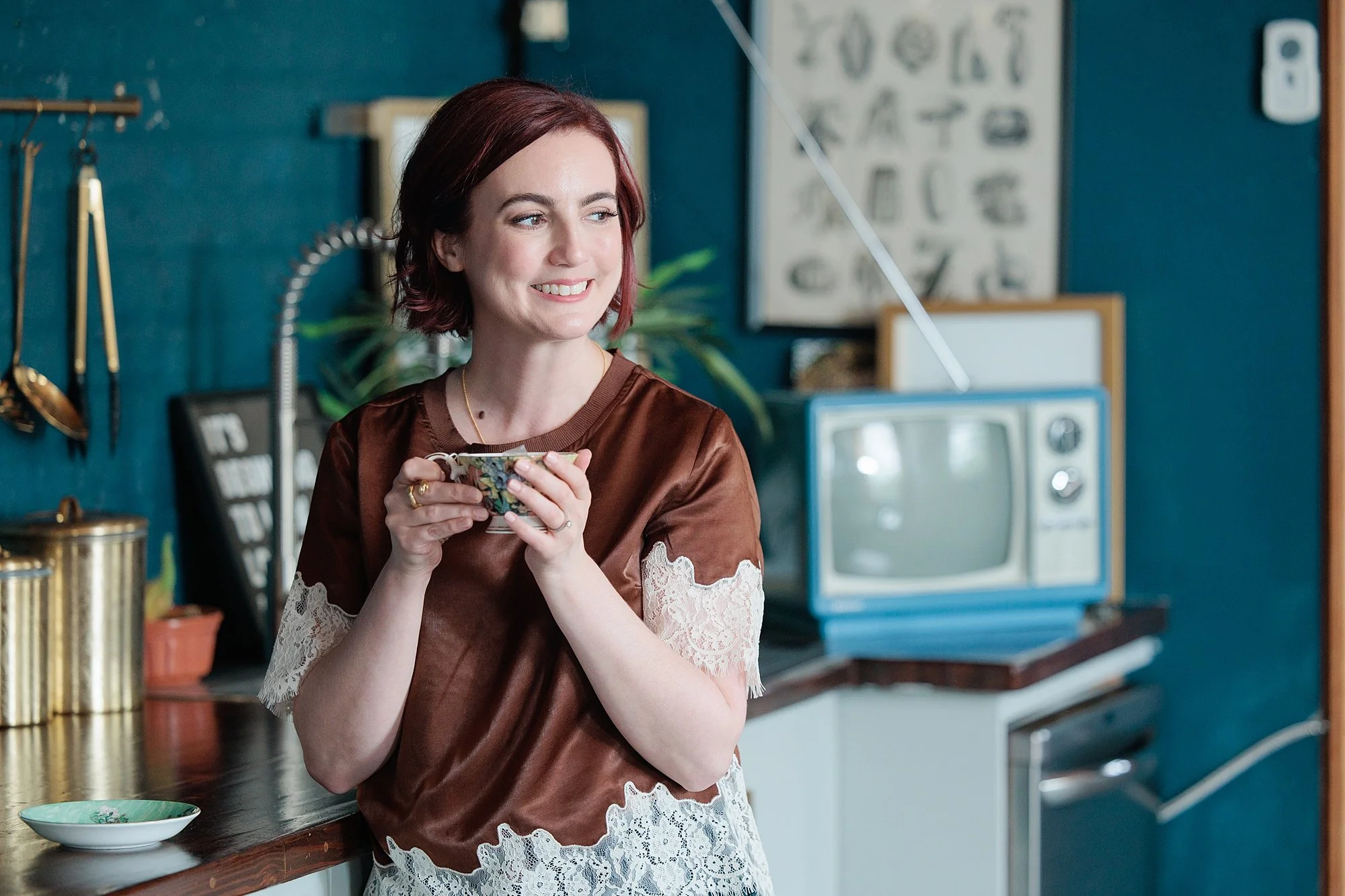
Brand Photo for A Thinker’s Guide; Hair and Makeup by Valerie Hammer Makeup Artistry
This is also a good time to separate what truly needs branding photography from what does not. If your only immediate need is one polished profile image, a focused headshot may make more sense than a full branding session. If your website and marketing need to show your personality, process, environment, services, and expertise, you are planning a library rather than a single portrait.
Count Image Needs, Not Just Marketing Posts
One of the easiest ways to overestimate or underestimate your needs is to count posts. You might think, “I post three times a week, so I need three new photographs every week.” That is rarely how a useful brand library works.
A strong image may support more than one piece of content. A wide photograph with open space can work as a website banner, a newsletter header, or the background for a quote graphic. A natural portrait may appear on your About page, in a speaker biography, and in a thoughtful social post. Reuse is not a problem when the image still feels relevant and you are not placing the same portrait everywhere at once.
At the same time, ten nearly identical frames do not necessarily give you ten useful marketing options. If every image has the same outfit, crop, expression, and background, the gallery may feel larger than it functions. What matters is purposeful variety.
That variety can come from:
Horizontal, vertical, and square-friendly compositions
Close portraits, mid-length images, and wider environmental photographs
Eye contact with the camera and candid working moments
More than one outfit or layer when it supports the brand
Clean images with negative space for text
Details such as hands at work, tools, products, materials, or the setting
Different expressions and energy levels that fit different messages
For more ideas about where those photographs can work, see 25 Smart Ways to Use Your Brand Photos Beyond LinkedIn.






Five Questions That Help Determine the Right Number
1. How many pages and platforms need new photographs?
Start with your website because it usually reveals the biggest gaps. Open the homepage, About page, service pages, contact page, blog, and any speaking or press pages. Make a quick note of the image needed in each location and whether it should be horizontal, vertical, close, wide, or leave space for text.
Then look at the other places where clients meet you. That may include LinkedIn, Instagram, an email newsletter, a business directory, a presentation deck, or a podcast guest page. If you keep cropping the same headshot into every space, that is useful information. Your business may need more composition variety, not simply more portraits.

2. How often do you create or send marketing content?
Think about your real rhythm, not the schedule you believe you should maintain. If you publish one thoughtful article and a few social posts each month, you do not need to plan for daily image changes. If you send weekly emails, create regular educational content, or run several launches, a broader library can keep your marketing from feeling repetitive.
Choose a realistic planning window too. Some businesses need photographs for one specific website launch. Others want an image library that supports a quarter or a season of content. The longer the window and the more consistently you market, the more visual situations you will want to plan.

3. How many services, offers, or audiences are you trying to explain?
A single-service business may be able to tell its story with a focused group of images. A business with several services may need photographs that help each offer feel clear without making the overall brand look disconnected.
For example, a consultant might need approachable portraits, photographs of a client conversation, working images at a laptop, presentation details, and a few speaking-style compositions. A product-based business might need the founder, the product, the process, packaging, and customer-facing moments.
The point is not to create a generic checklist for every profession. It is to make sure the final library reflects how your own business earns trust.

4. Do you need different crops and orientations?
Image shape is easy to forget until a beautiful vertical portrait is asked to become a very wide website banner. That crop may cut away the context, the hands, or part of the subject. Planning a horizontal version during the session gives the designer more room to work.
Squarespace explains that image shape and the container where an image appears both affect cropping. The same practical issue applies across many platforms. A LinkedIn banner, an Instagram Story, a square profile image, and a homepage hero do not ask for the same composition.
You do not need a separate photograph for every possible dimension, but your shot list should include enough breathing room and orientation variety to support your most important uses.
5. Is this a small refresh or a complete visual reset?
Sometimes the honest need is small. Your existing library may still represent you well, while your headshot and two key website sections need updating. In that case, a focused session can fill the gaps without replacing everything.
A rebrand, new website, new service line, team change, or larger public-facing role may call for a more comprehensive set. You may need several outfits, locations, storylines, and types of interactions so the photographs can carry a full visual system.
This is why my branding session options include different levels of coverage and image variety. We can begin with what you are trying to accomplish, then choose the collection that supports it instead of forcing your business into an arbitrary number.

Three Practical Levels of a Brand Photo Library
You can use these levels to think about scope without treating them as rigid packages or promises.
A focused professional update
This works when you need a current portrait, a few website images, and enough variation for core professional profiles. The goal is not months of distinct social content. It is to make the most visible parts of your business feel current, consistent, and recognizably you.
A working marketing library
This supports a business that markets regularly across a website, email, social media, and professional platforms. You may need multiple expressions, outfits, settings, working scenes, and compositions with space for text. The library should give you choices for different messages without drifting away from the same visual identity.
A comprehensive brand library
This makes sense when you are building or relaunching a website, introducing several offers, creating a campaign, expanding your speaking presence, or showing more of a team, location, product, or process. The planning is more detailed because the photographs need to tell several connected parts of the same story.
More is not automatically better. A large gallery without a clear plan can still leave you wondering what to post. A smaller collection made around a thoughtful list may work much harder.
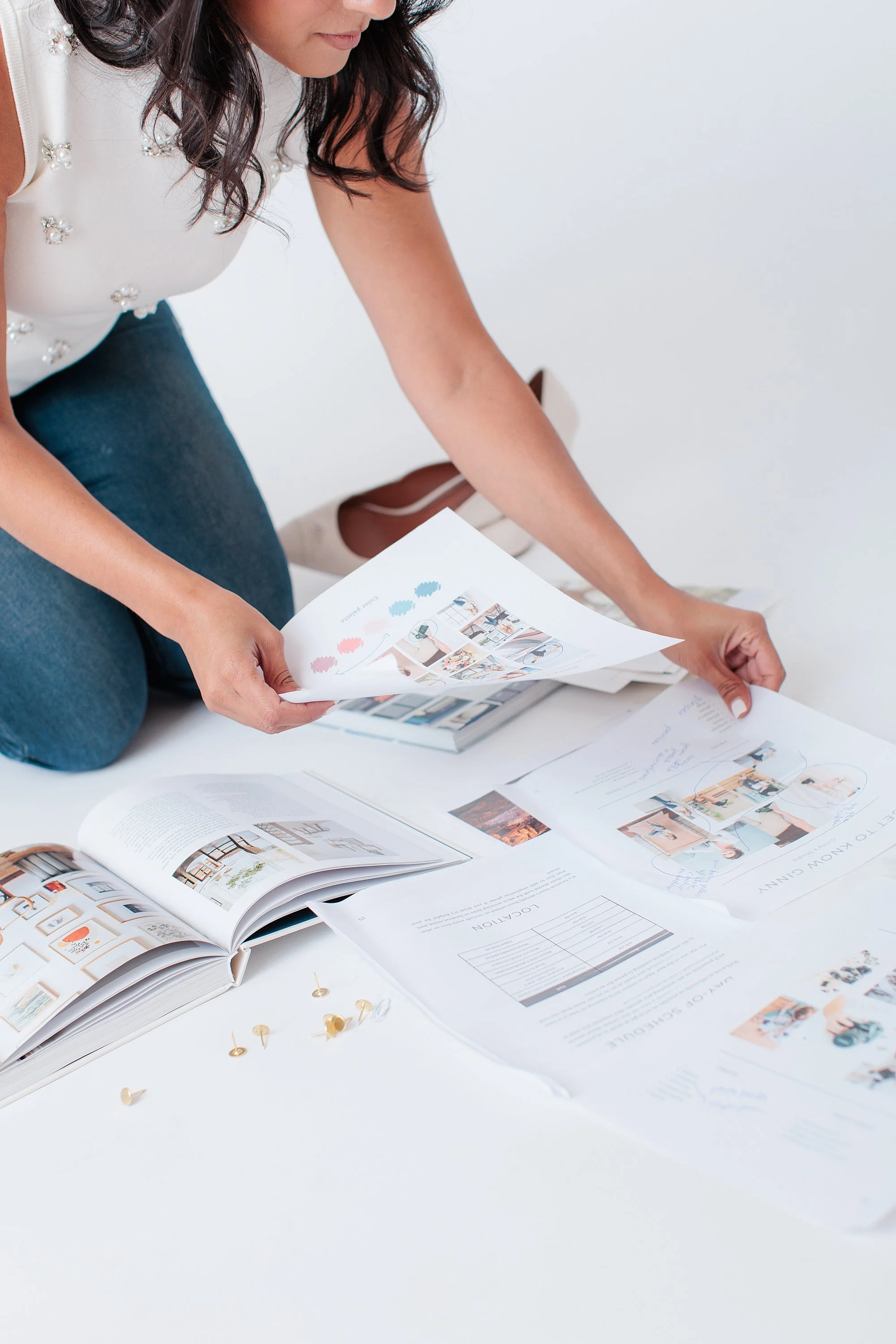
A Simple Brand Photo Planning Worksheet
Before deciding what kind of session you need, answer these questions in plain language:
Which three places need updated photographs first?
What is changing in the business during the next six months?
Which services or offers need their own visual support?
Where do you regularly publish content now?
Which image shapes do those platforms require?
What parts of your personality, process, or environment are missing from the current library?
Which existing photographs still feel accurate and useful?
Once you have those answers, group similar needs together. A relaxed portrait with room on one side may solve several placements. A working sequence may support a service page, an email, and a behind-the-scenes post. A close detail may add visual rhythm to a website even if it never becomes a profile image.
Bring the list to your photographer, web designer, or marketing partner if you have one. They may see a crop, layout, or campaign need that is easy to miss when you are close to the business.

Frequently Asked Questions About Branding Photo Quantity
Can I use the same branding photo more than once?
Absolutely. Repetition becomes noticeable when one image is doing every job, but strategic reuse is efficient and consistent. Change the crop when appropriate, pair the image with a different message, and rotate it with other visuals from the same library.
Is a bigger gallery always a better value?
Not if the extra images are nearly identical or have no planned use. The better question is whether the gallery gives you enough meaningful variety to support the work ahead. Purpose matters more than a large number on its own.
How often should I refresh my branding photos?
There is no universal calendar. Consider a refresh when your appearance, team, location, services, audience, visual identity, or marketing direction changes enough that the current photographs no longer feel accurate.
You may also need a smaller seasonal or campaign update while keeping the strongest parts of your existing library.
What if I cannot tell whether I need headshots or branding photos?
Look at the story the images need to tell. If the job is simply to show what you look like in a polished, current way, begin with a headshot.
If clients need to understand how you work, what you offer, how it feels to work with you, or what makes the business distinct, a branding session gives you more tools.

Choose the Right Library for the Business You Actually Have
So, how many branding photos do you need? Enough to make your most important marketing feel complete, flexible, and consistent, without paying for a pile of images that have no clear role.
The most helpful first step is an honest visual inventory. Identify the gaps on your website, note your real publishing rhythm, think through the offers ahead, and plan for the image shapes you use most. From there, we can build a session around what your business needs now and leave room for where it is going next.
If you are based in Silver Spring, Montgomery County, Washington DC, or the surrounding area and want help translating that list into a thoughtful branding session, you can learn more about working with me and start the conversation when you are ready.